
The Marie Trust has developed its services by listening to people affected by homelessness and recognising the barriers they face in accessing healthcare, counselling, education and practical support.
Some projects have grown into long-term services, while others were delivered for a specific period. Each has contributed to the knowledge, partnerships and approach that shape our work today.
More than a roof
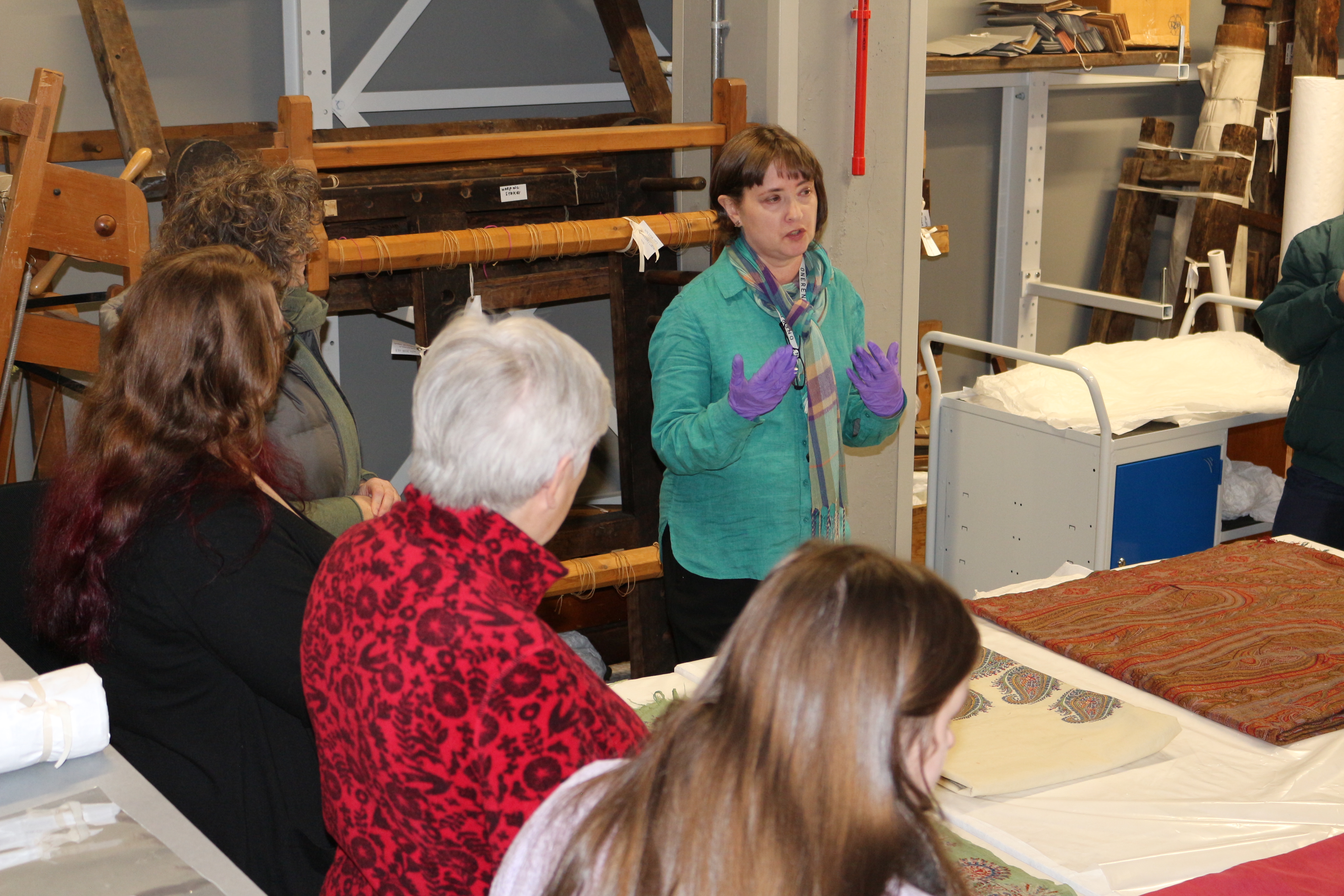
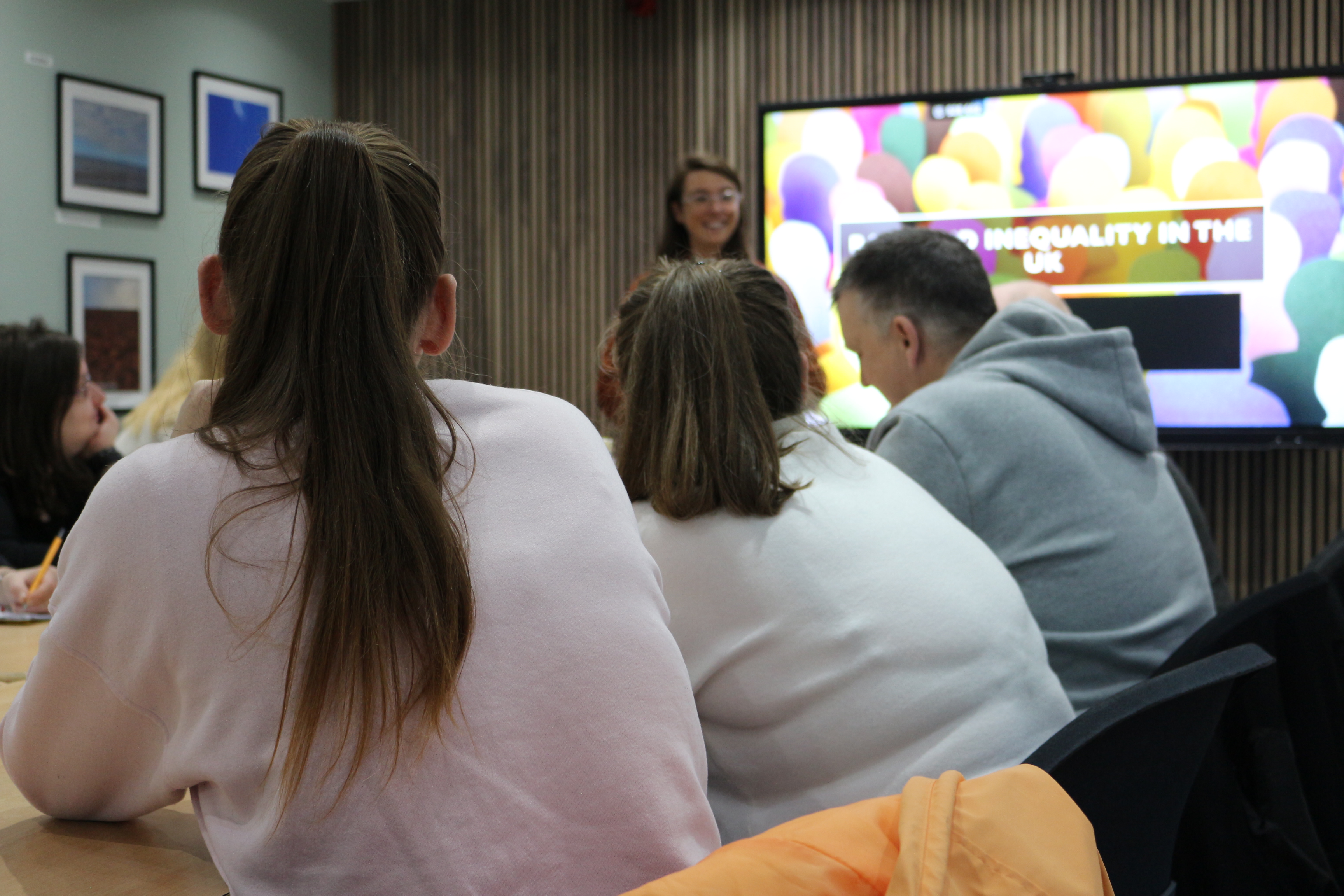
Homelessness is rarely only about the absence of accommodation. People may also experience trauma, poor physical and mental health, isolation, poverty and exclusion from services.
Throughout our history, The Marie Trust has worked to understand these overlapping needs and develop support that is accessible, compassionate and shaped around the individual.
“When people get to The Marie Trust, they feel they can breathe.”
Our journey
2009 — Removing barriers to education
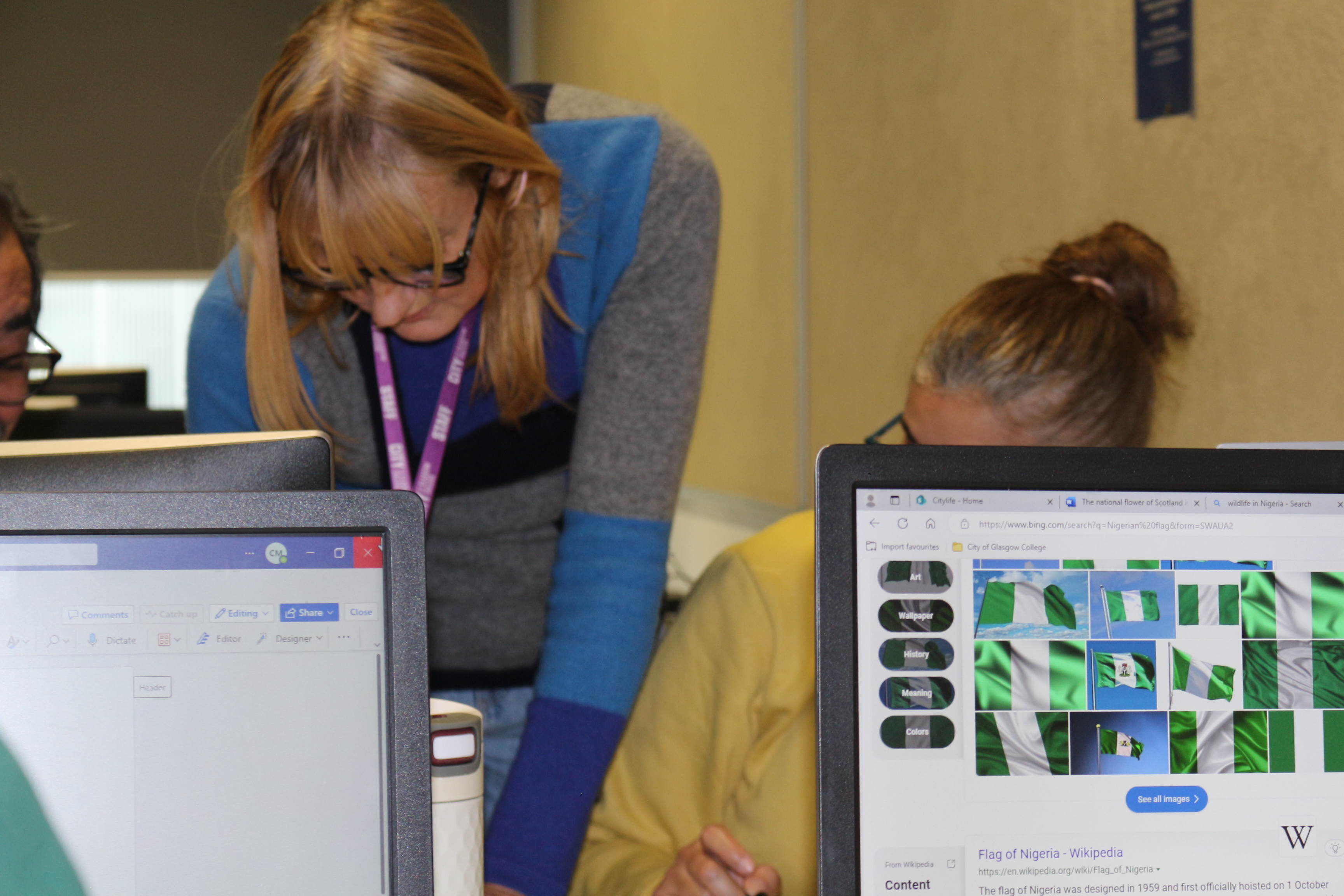
The Marie Trust developed an education programme designed to help people affected by homelessness access learning in a welcoming and supportive environment.
The programme expanded to include creative arts, textiles, photography and social subjects, supported through partnerships with Glasgow colleges. In 2015, work developed with Glasgow Kelvin College was recognised at the College Development Network Awards.
Today: Education remains one of The Marie Trust’s core services, helping learners build skills, confidence and routes towards further learning and employment.

2013 — Making therapy more accessible
The Marie Trust established a specialist Counselling and Psychotherapy Service for people affected by rough sleeping, trauma and barriers to conventional mental-health support.
The service was developed in response to people who wanted therapeutic support but often found traditional routes difficult to access or sustain.
Today: Free, trauma-informed counselling and psychotherapy remain central to our work, alongside the development of art therapy.
2016–2019 — Understanding nutrition and healt
(Time-limited project)
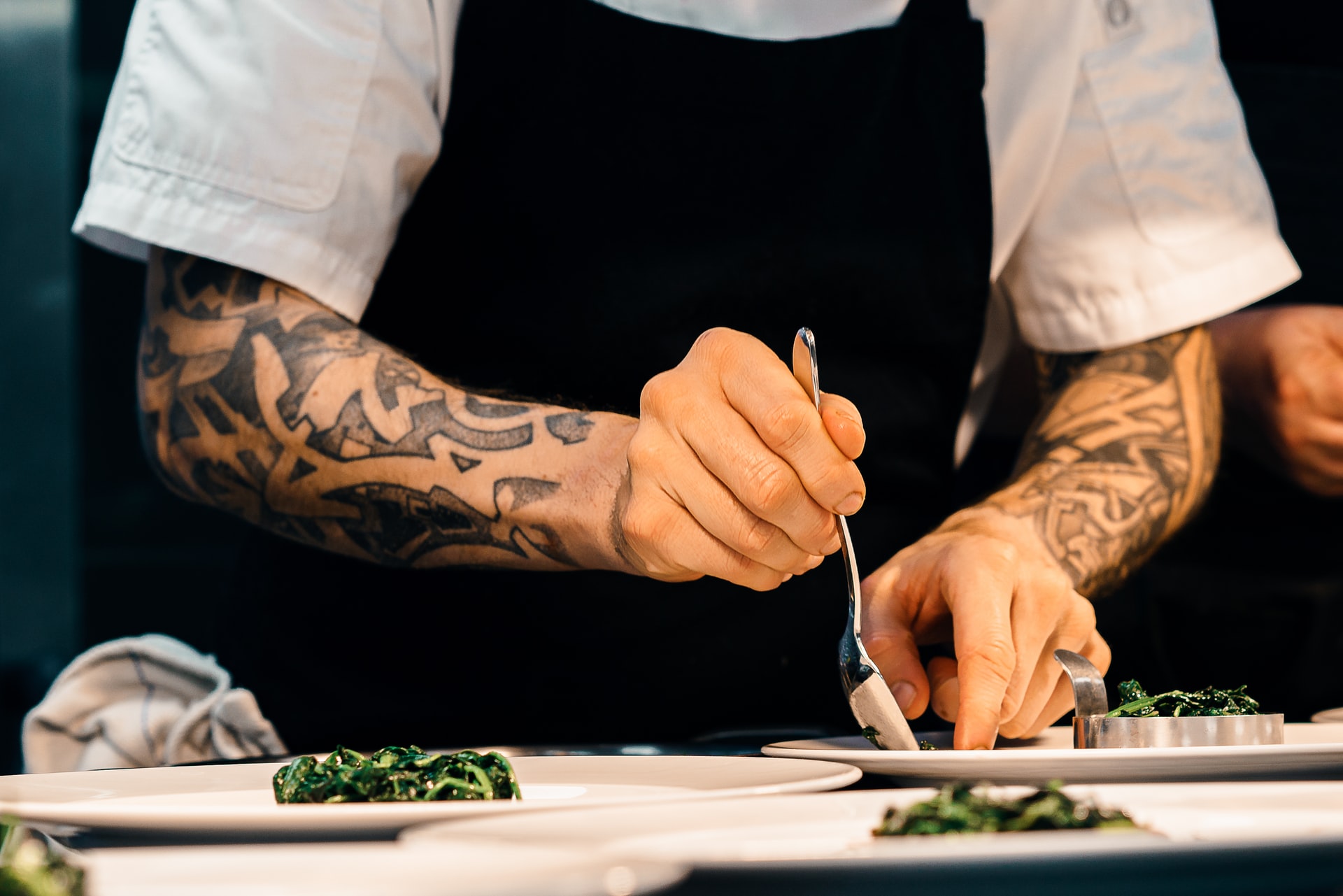
The Marie Trust employed a dietitian to support people experiencing malnutrition, poor physical health and difficult relationships with food.
The project deepened our understanding of the connections between homelessness, trauma, mental health and nutrition. The learning helped inform the way food, wellbeing and practical support were delivered through our services.
2019–2022 — Taking healthcare support to people
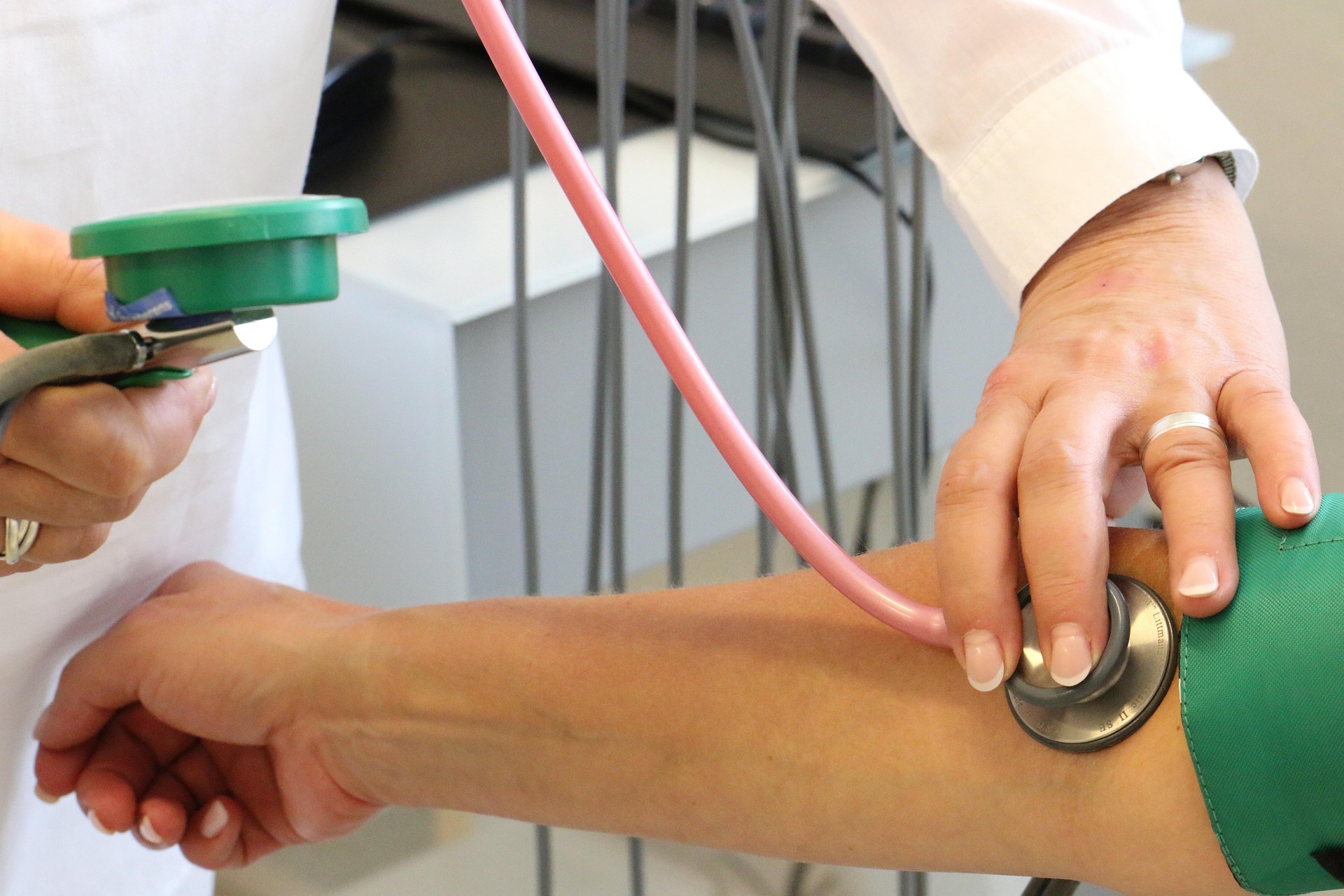
Working with NHS partners, The Marie Trust delivered an outreach social-prescribing project for people who were disconnected from health and social services.
The project included support from a prescribing pharmacist and focused on reaching people who faced multiple barriers to treatment and ongoing healthcare.
What we learned: Support often needs to be proactive, flexible and available beyond traditional clinical settings.
2023 — Improving access to dental care
(Time-limited project)
The Marie Trust developed a partnership with Clyde Munro Dental Group to reduce barriers to oral healthcare for people experiencing homelessness.
The work focused on reaching people who were not registered with a dentist and who faced a greater risk of serious oral-health problems.

2024 — Supporting people through hospital and beyond
The Hospital Outreach Service was developed to support people whose homelessness, housing difficulties or financial hardship became apparent during a hospital stay.
Support can begin on the ward and continue after discharge, helping people access accommodation, benefits, healthcare and other essential services.
Today: Hospital Outreach is one of The Marie Trust’s three principal services.
2026 — Expanding creative therapeutic support
Following a successful pilot, weekly art-therapy sessions began at the Albion Street hub.
Delivered through one-to-one Friday sessions, the service will be created to offer another way for people to explore emotions and experiences that can be difficult to express verbally, with group work planned as the service develops.

The story continues
The challenges facing people affected by homelessness continue to change, and our work must continue to respond.
Through counselling, education, hospital outreach and strong partnerships across Glasgow, The Marie Trust will continue helping people feel safe, valued and able to rebuild their lives.
Last Updated: 04 August 2026